



Full cheeks can look youthful, but for some patients, they create a rounder facial shape that does not match their desired look. Even with weight loss, exercise, or a strong skincare routine, cheek fullness may stay because it comes from deeper facial fat pads.
Buccal fat removal can help refine the lower cheeks by reducing excess buccal fat for a slimmer, more sculpted facial contour. For patients considering cheek reduction surgery, understanding the cause of fullness is the first step toward choosing the right treatment.
What Is Buccal Fat Removal?
Buccal fat removal is a facial contouring surgery that reduces the buccal fat pads located in the lower cheeks. These fat pads sit between facial muscles and can contribute to a round, soft, or “baby-faced” appearance.
During buccal fat pad removal, the surgeon typically makes a small incision inside the mouth, gently isolates the buccal fat pad, removes the appropriate amount of fat, and closes the incision with dissolvable sutures. Because the incision is placed inside the cheek, there is no visible external scar.
Buccal fat removal may help patients who want:
- Slimmer lower cheeks
- More defined facial contours
- A less rounded facial shape
- Better cheekbone visibility
- Subtle midface definition
- A more sculpted lower face
- Long-term cheek fat removal results
This procedure is not about making the face look hollow or overly sharp. The best cheek reduction surgery is conservative, balanced, and customized to the patient’s natural anatomy.

Why Cheeks Stay Full
Full cheeks can come from several factors, and not every cause is treated the same way. That is why a proper facial evaluation matters before choosing buccal fat removal.
1. Genetics Can Shape the Face
Some patients are simply born with fuller buccal fat pads. This type of cheek fullness often runs in families and may remain noticeable regardless of body weight.
Genetic fullness can make the lower face look rounder, even when the rest of the body is lean. Patients may notice that no amount of dieting changes the cheek area because the issue is not lifestyle-related. It is structural.
Buccal fat removal helps by reducing the internal cheek fat contributing to that roundness. When performed thoughtfully, it can create a better definition without changing the patient’s natural identity.
2. Buccal Fat Pads Can Be Naturally Prominent
The buccal fat pad is a normal part of facial anatomy. Everyone has one, but the size varies. When the pad is larger or positioned in a way that adds fullness to the lower cheeks, the face may look softer or less contoured.
This is where buccal fat pad removal becomes useful. The procedure directly addresses the fat pocket responsible for the fullness, unlike surface treatments or skincare that cannot reach the deeper structure.
For patients wanting face slimming surgery, this targeted approach can be more effective than nonsurgical treatments when buccal fat is the main concern.
3. Weight Loss May Not Change the Cheeks
Many patients become frustrated when their body changes, but their cheeks do not. They may lose weight, improve fitness, and still feel their face looks round.
This happens because buccal fat does not always respond dramatically to weight loss. Some facial fat compartments are stubborn and genetically influenced.
Buccal fat removal can help refine the cheek area when healthy lifestyle changes have not created the facial contour patients want. The goal is not weight loss. It is a shape refinement.
4. Facial Balance Plays a Role
Sometimes cheeks look fuller because other facial features are less defined. A softer jawline, smaller chin, or less visible cheekbone structure can make cheek fullness appear more prominent.
This is why facial contouring surgery should consider the whole face. Buccal fat removal may be performed alone, but some patients may benefit from pairing it with other procedures depending on their anatomy and goals.
A balanced plan helps avoid overcorrecting one area while leaving the rest of the face unsupported.
5. Aging Can Change the Decision
Buccal fat removal requires careful planning because the face naturally loses volume with age. A fuller cheek in younger years may become valuable support later.
This does not mean older patients cannot consider cheek fat removal, but it does mean conservative technique matters. Removing too much buccal fat may create a hollow look over time.
The best candidates usually have true lower-cheek fullness and enough facial volume to maintain a healthy, elegant contour after surgery.
6. Swelling and Lifestyle Factors Can Add Puffiness
Not all cheek fullness is buccal fat. Salt intake, alcohol, allergies, inflammation, poor sleep, and fluid retention can make the face appear puffier.
If fullness changes from day to day, buccal fat may not be the only cause. Surgical cheek reduction is best suited for stable cheek fullness that does not fluctuate significantly.
This is another reason consultation matters. The surgeon can help determine whether the concern is structural fat, temporary swelling, skin laxity, or another facial balance issue.
7. The Procedure Creates a Subtle Definition
Buccal fat removal works by reducing fullness in the lower cheek area, which can make the cheekbones and jawline appear more defined. The result is usually subtle and becomes more visible as swelling decreases.
Patients should not expect an instant, dramatic change. Healing takes time, and final contour refinement may continue developing over weeks to months.
For the right patient, this gradual improvement can look elegant and natural rather than obvious.
8. Recovery Is Usually Manageable
Because the incision is inside the mouth, recovery focuses on swelling, soreness, and oral care. Patients may be given instructions about mouth rinse, diet modifications, activity limits, and swelling management.
Mild soreness and swelling are common after buccal fat pad removal. Patients may also be advised to wear supportive garments depending on their surgeon’s protocol.
Following recovery instructions is essential because the mouth contains bacteria and the incision needs proper care while healing.
9. Results Depend on Restraint
The most refined buccal fat removal results come from removing the right amount of fat, not the maximum amount. Over-removal can create a gaunt appearance, especially as natural aging continues.
Luxury facial contouring is never about extremes. It is about proportion. A skilled approach preserves softness where needed while reducing fullness where it disrupts the facial shape.
This is why patients should choose cheek reduction surgery based on facial harmony, not social media trends.
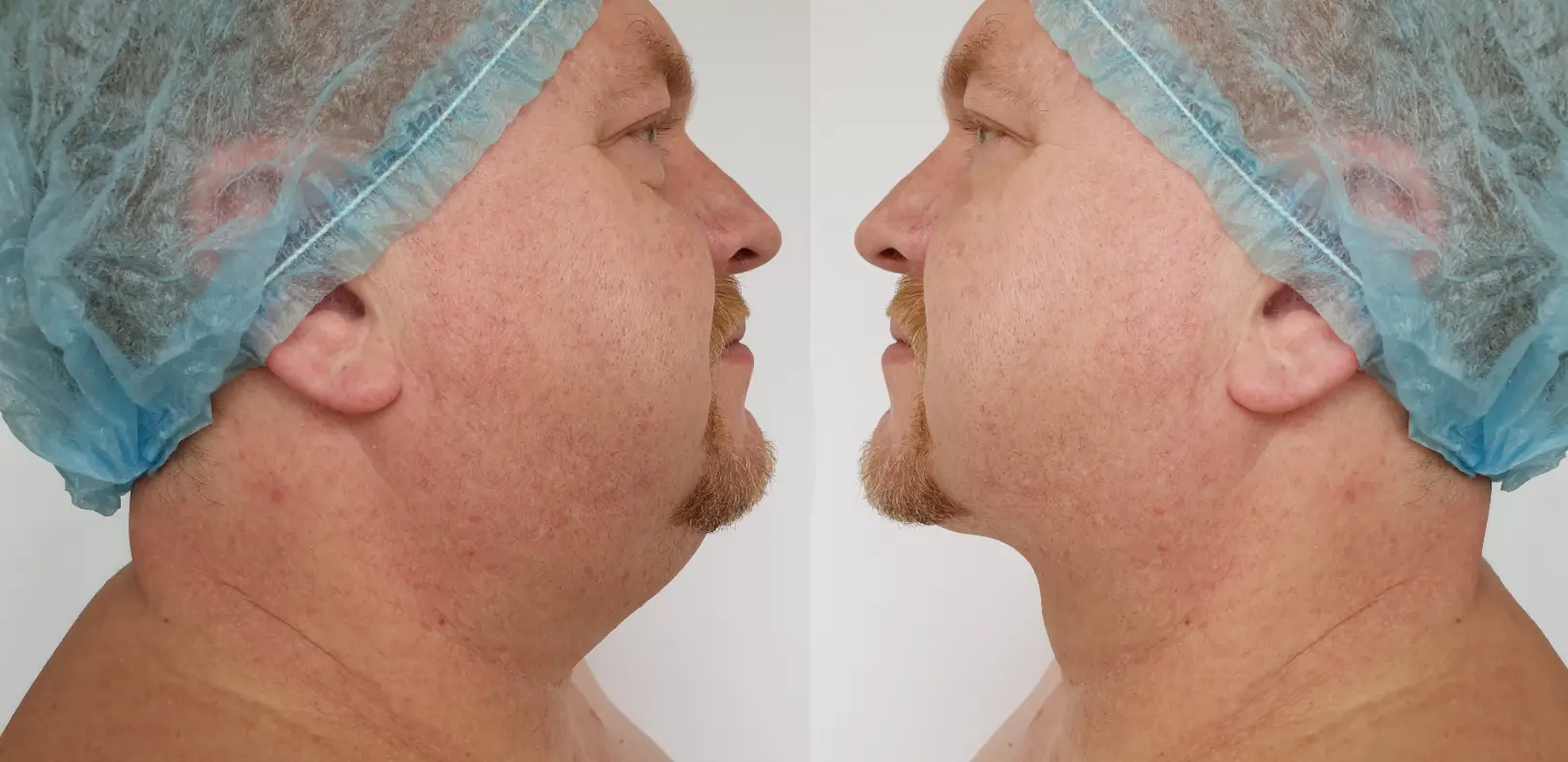
Individual results may vary
10. The Best Candidates Want Refinement
Strong candidates for buccal fat removal typically have persistent lower-cheek fullness, good overall health, realistic expectations, and a desire for subtle slimming rather than dramatic hollowing.
Patients with already narrow faces or significant facial volume loss may not be ideal candidates. In those cases, other contouring options may be more appropriate.
A personalized evaluation helps determine whether buccal fat removal will enhance the face or support the patient may need later.
A More Sculpted Profile
Buccal fat removal can help patients with naturally full cheeks achieve slimmer, more defined facial contours by reducing excess buccal fat pads. When cheek fullness is caused by genetics, prominent facial fat, or a structure that does not respond to weight loss, cheek reduction surgery may offer a targeted solution.
Sandia Cosmetic Facial Surgery in Albuquerque, NM, provides buccal fat removal for patients seeking facial contouring surgery with balance, precision, and natural-looking refinement. For those considering cheek fat removal, the best results begin with understanding the face first.
Call us today to book your consultation!