



Your eyes are often the first feature people notice, but they’re also one of the first areas to show signs of aging. Over time, the skin around the eyes naturally loses elasticity, causing the upper lids to appear heavier and the lower lids to develop puffiness or sagging. For some people, these changes are simply cosmetic. For others, they can make the eyes look constantly tired or even interfere with vision.
If you’ve ever wondered whether hooded eyes or droopy eyelids are something that can actually be corrected, you’re not alone. While skincare products and non-surgical treatments may improve the appearance of the surrounding skin, they can’t remove excess eyelid tissue or reposition sagging skin. That’s where blepharoplasty may come into the conversation.
Whether your goal is to refresh your appearance or improve your field of vision, understanding how this procedure works is the first step. Keep reading to learn when surgery may be the right solution, what to expect, and how to determine if it’s an appropriate option for your needs.
What Is Blepharoplasty?
The eyes naturally change over time, and sometimes those changes involve more than just wrinkles. Blepharoplasty, commonly known as eyelid lift surgery, is a cosmetic surgical procedure that removes or repositions excess skin, fat, and, in some cases, muscle around the eyelids. The goal is to create a more refreshed, youthful appearance while preserving the natural shape and expression of the eyes.
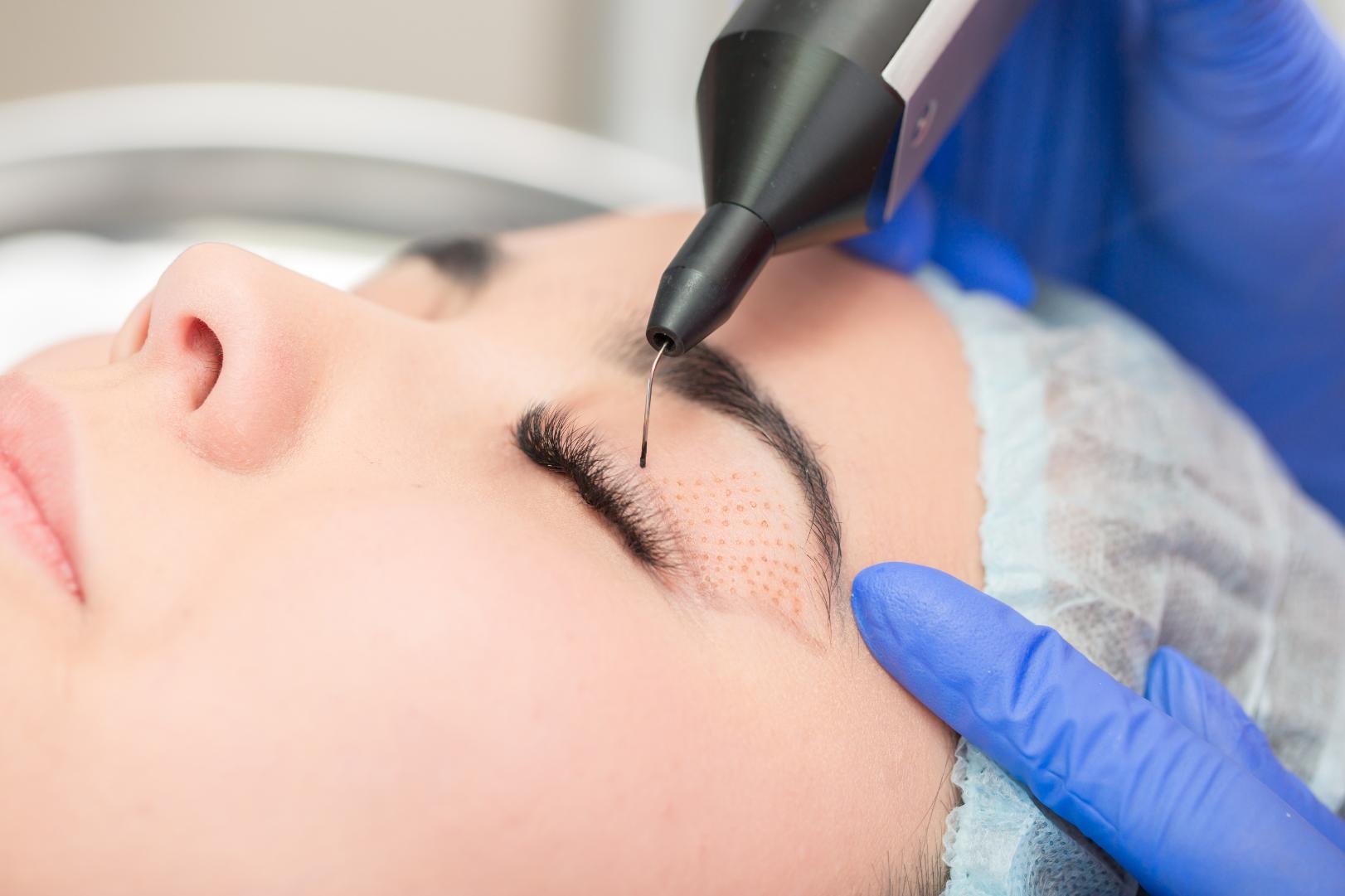
As highlighted in the reference above, blepharoplasty can address concerns involving the upper eyelids, lower eyelids, or both. Depending on a patient’s needs, the procedure may reduce under-eye bags, lift sagging upper lids, improve eye contours, and rejuvenate the overall appearance of the face.
Because every patient ages differently, the surgical plan is customized after evaluating facial anatomy, skin quality, and overall treatment goals.
When Is Blepharoplasty the Right Answer?
Not every eyelid concern requires surgery, but for many patients, blepharoplasty provides improvements that non-surgical treatments simply cannot achieve.
1. Understanding the Difference
Before deciding on treatment, it’s important to understand whether you’re dealing with hooded eyes or droopy eyelids. Although these terms are often used interchangeably, they describe different conditions.
Hooded eyes typically occur when excess skin folds over the natural eyelid crease. Droopy eyelids, on the other hand, may involve loose skin or weakened muscles that cause the eyelid itself to sit lower than normal.
Understanding ptosis vs. hooded eyes is one of the most important parts of determining the most appropriate treatment. While both conditions can make the eyes appear tired, their underlying causes, and therefore their treatments, may differ.
2. Surgery Removes Excess Skin
One of the biggest reasons patients choose blepharoplasty is because surgery addresses the actual source of the problem. No cream, serum, or injectable treatment can remove excess eyelid skin.
During upper eyelid correction, excess tissue is carefully removed to restore a smoother, more open appearance while maintaining natural facial harmony. For patients whose upper lids feel increasingly heavy with age, surgery often produces improvements that topical products cannot replicate.
3. It Can Improve Vision
Blepharoplasty isn’t always performed for cosmetic reasons. For some patients, excess upper eyelid skin begins to interfere with everyday activities. They may notice difficulty:
- Reading
- Driving
- Applying makeup
- Seeing objects in their upper field of vision
When heavy eyelids begin affecting daily life, droopy eyelid surgery may offer both functional and cosmetic benefits. A consultation helps determine whether vision is being affected and whether surgery may be medically appropriate.
4. A More Rested Appearance
Many patients say they constantly hear comments such as: “You look tired.” “Are you getting enough sleep?”
Even when they feel perfectly rested, that’s because heavy eyelids and under-eye bags can create shadows that make the face appear fatigued.
Blepharoplasty refreshes the eye area by reducing excess tissue while preserving natural facial expression. The goal isn’t to make patients look different. It’s to help them look like a more refreshed version of themselves.
5. Lower Eyelids Matter Too
While much attention focuses on the upper eyelids, the lower lids also contribute significantly to facial aging. As we grow older, fat beneath the eyes may shift forward while surrounding tissues gradually weaken. This can create:
- Puffy under-eye bags
- Loose lower eyelid skin
- Deep shadows beneath the eyes
- A chronically tired appearance
Lower eyelid surgery addresses these structural changes rather than simply masking them with cosmetic products. For many patients, treating both upper and lower eyelids creates a more balanced overall rejuvenation.
6. Every Patient Ages Differently
One reason blepharoplasty produces natural-looking outcomes is that surgery is highly individualized. Providers consider several factors before recommending treatment, including:
- Facial anatomy
- Skin elasticity
- Brow position
- Eye shape
- Muscle function
- Overall facial balance
Rather than following a standard formula, each surgical plan is customized to complement the patient’s unique features and long-term goals.
7. Non-Surgical Treatments Have Their Limits
Advances in aesthetic medicine have made it possible to improve many signs of aging without surgery. Treatments like neuromodulators, dermal fillers, laser resurfacing, and skin-tightening procedures can soften fine lines, improve skin texture, and restore lost volume.
However, they cannot remove excess eyelid skin. This is an important distinction for patients exploring hooded eyes treatment. If the primary concern is loose, overhanging skin or significant drooping of the upper eyelids, non-surgical options may provide only modest improvement.
Blepharoplasty directly addresses the structural changes responsible for heavy eyelids, making it a more effective solution for many patients with moderate to advanced skin laxity. A thorough consultation helps determine whether surgery or a non-surgical treatment is the better fit for your goals.
8. Natural Results Are the Goal
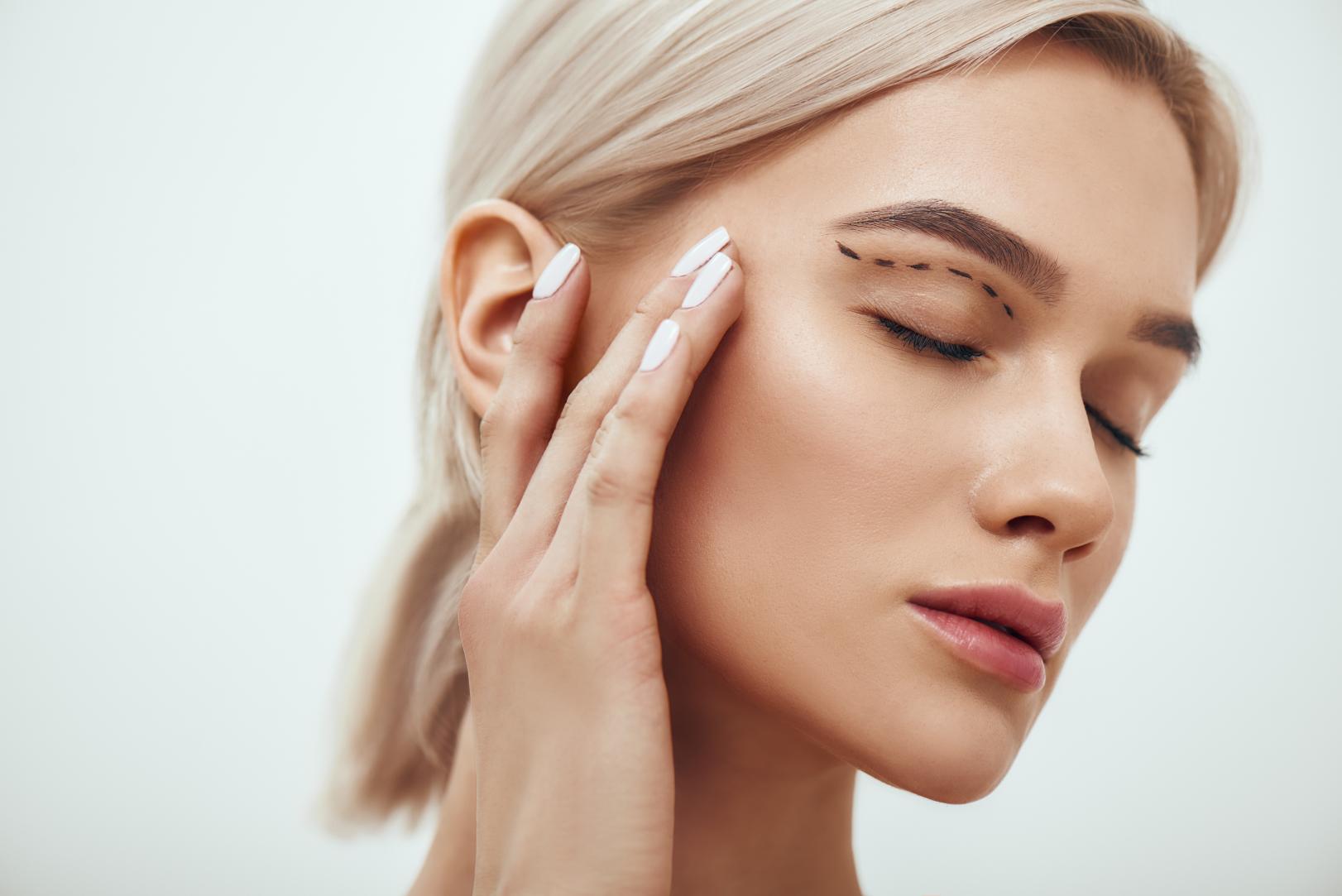
Many people hesitate to consider cosmetic eye surgery because they worry about looking dramatically different. Modern blepharoplasty isn’t about changing your identity.
Instead, it’s designed to restore a brighter, more rested appearance while preserving your natural facial expressions. A carefully planned procedure can:
- Open the eyes without making them look overcorrected
- Maintain the natural contour of the eyelids
- Preserve facial balance
- Reduce signs of fatigue while keeping your unique features intact
The best outcomes are often the ones that make people say, “You look refreshed,” rather than asking what procedure you had done.
9. Recovery Requires Patience
Like any surgical procedure, blepharoplasty involves a recovery period. Most patients experience temporary swelling and bruising during the initial healing phase, with gradual improvement over the following weeks.
Your surgeon will provide personalized instructions that may include:
- Using cold compresses during the first few days
- Keeping your head elevated while resting
- Avoiding strenuous exercise until cleared
- Protecting the eyes from excessive sun exposure
- Attending scheduled follow-up appointments
Healing timelines vary from patient to patient, but following post-operative recommendations supports a smoother recovery and helps optimize long-term results.
Refresh the Way the World Sees You at Sandia Cosmetic Facial Surgery
Your eyes play a powerful role in facial expression, confidence, and everyday communication. When heavy eyelids or under-eye bags begin to make you look tired or older than you feel, blepharoplasty can provide a long-lasting solution that restores a brighter, more youthful appearance. Whether your concerns are cosmetic, functional, or both, a personalized evaluation can help determine the treatment that best fits your goals.
At Sandia Cosmetic Facial Surgery in Albuquerque, NM, every treatment plan is tailored to the individual, combining surgical expertise with a thoughtful approach to facial harmony. Patients receive personalized care focused on achieving natural-looking results that complement their unique features.
Contact us today to schedule your appointment!