



A small mole can feel surprisingly noticeable when it sits in the middle of your cheek, beside your nose, or anywhere else you see every time you look in the mirror. Others become frustrating because they are raised and repeatedly catch on clothing or get irritated.
Mole removal offers a way to address unwanted growths, but the first step is understanding exactly what the spot is and why you want it removed. At Sandia Cosmetic Facial Surgery, the removal method is selected according to the characteristics and location of the mole, along with other individual factors.
That personalized approach also explains why mole removal cost cannot be reduced to one standard price without an evaluation. Keep reading to learn who may be a candidate, what happens during treatment, and what recovery can realistically involve.
What to Expect From Mole Removal
Every mole is a little different, which means removal should never begin with a one-size-fits-all technique. An evaluation helps determine what the growth is, whether it has concerning features, and which removal method makes the most sense.
1. Your Mole Should Be Evaluated First
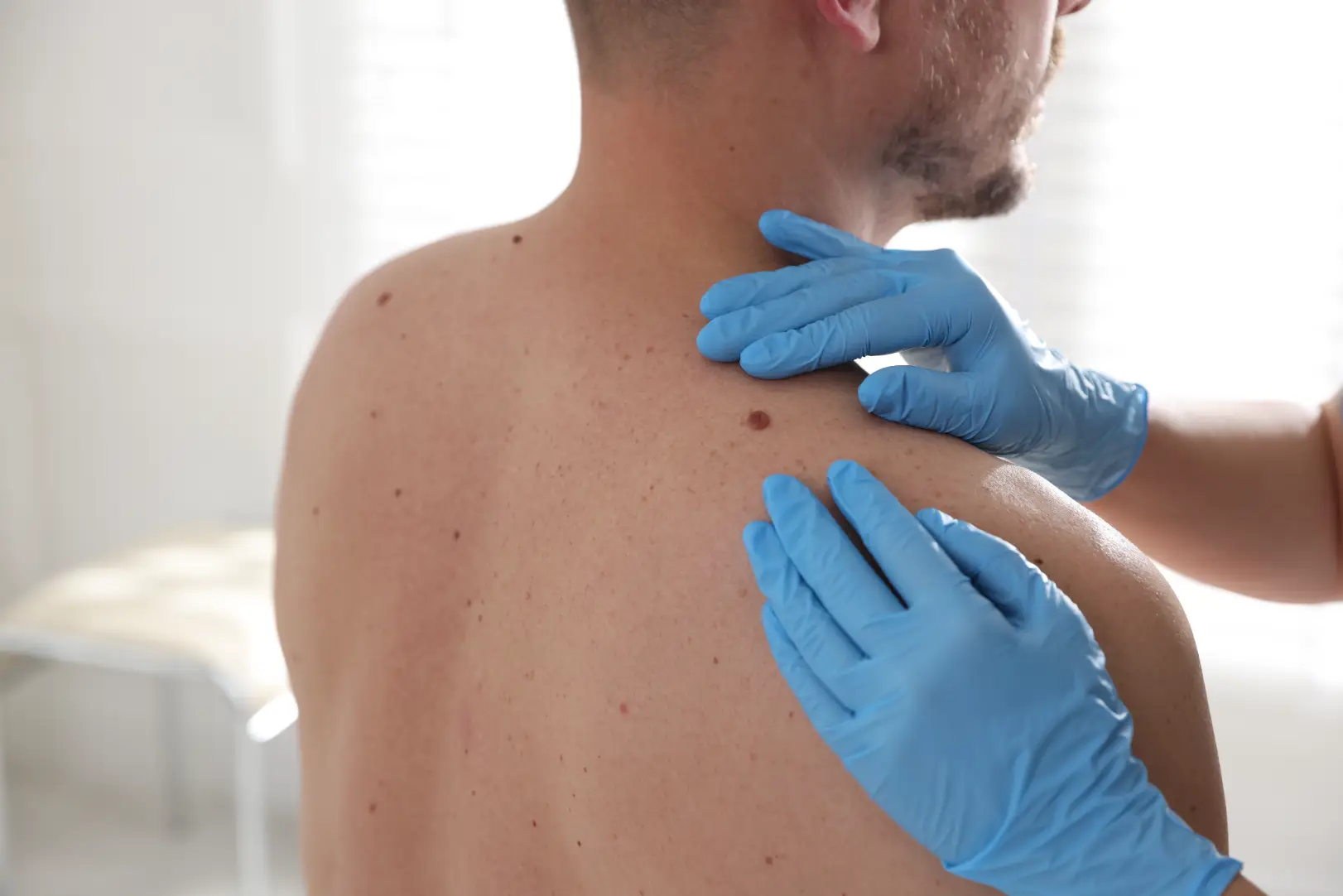
Not every brown spot, bump, or raised area on the skin is actually a mole. That is why the first step should be a professional examination rather than deciding on a removal technique based only on appearance.
At Sandia Cosmetic Facial Surgery, the mole can be measured and photographed during the skin examination. The provider can evaluate its location and characteristics before deciding how removal should proceed.
This step becomes especially important if you have noticed a change. A mole that has changed in size, shape, or color deserves medical attention because changing lesions may require evaluation for skin cancer rather than being treated as a purely cosmetic concern.
Do not assume that an unattractive spot is automatically harmless simply because it has been present for years. Likewise, an unusual-looking lesion should not be removed solely for cosmetic reasons before its nature has been properly considered.
An evaluation gives facial mole removal an appropriate medical starting point. The goal is not merely to make the spot disappear but to understand what is being treated first.
2. Cosmetic Concerns Can Be a Valid Reason
A mole does not have to cause physical discomfort for someone to dislike it. Facial moles can be particularly noticeable because the face is central to how we see ourselves and how others recognize us.
This is where cosmetic mole removal may be considered. A patient may simply feel that a mole distracts from their features or draws attention to an area they would rather not emphasize.
Other moles create practical annoyances. A raised growth may repeatedly catch on clothing, jewelry, or grooming tools. Depending on its location, it might become irritated through everyday friction.
Both cosmetic and physical concerns can start a conversation about removal. However, candidacy still depends on what the lesion is, where it sits, and which procedure would be appropriate.
Wanting a mole gone is the beginning of the discussion, not the entire treatment plan. A consultation allows your provider to balance your aesthetic goals with the characteristics of the growth and surrounding skin.
3. Location Can Influence the Technique
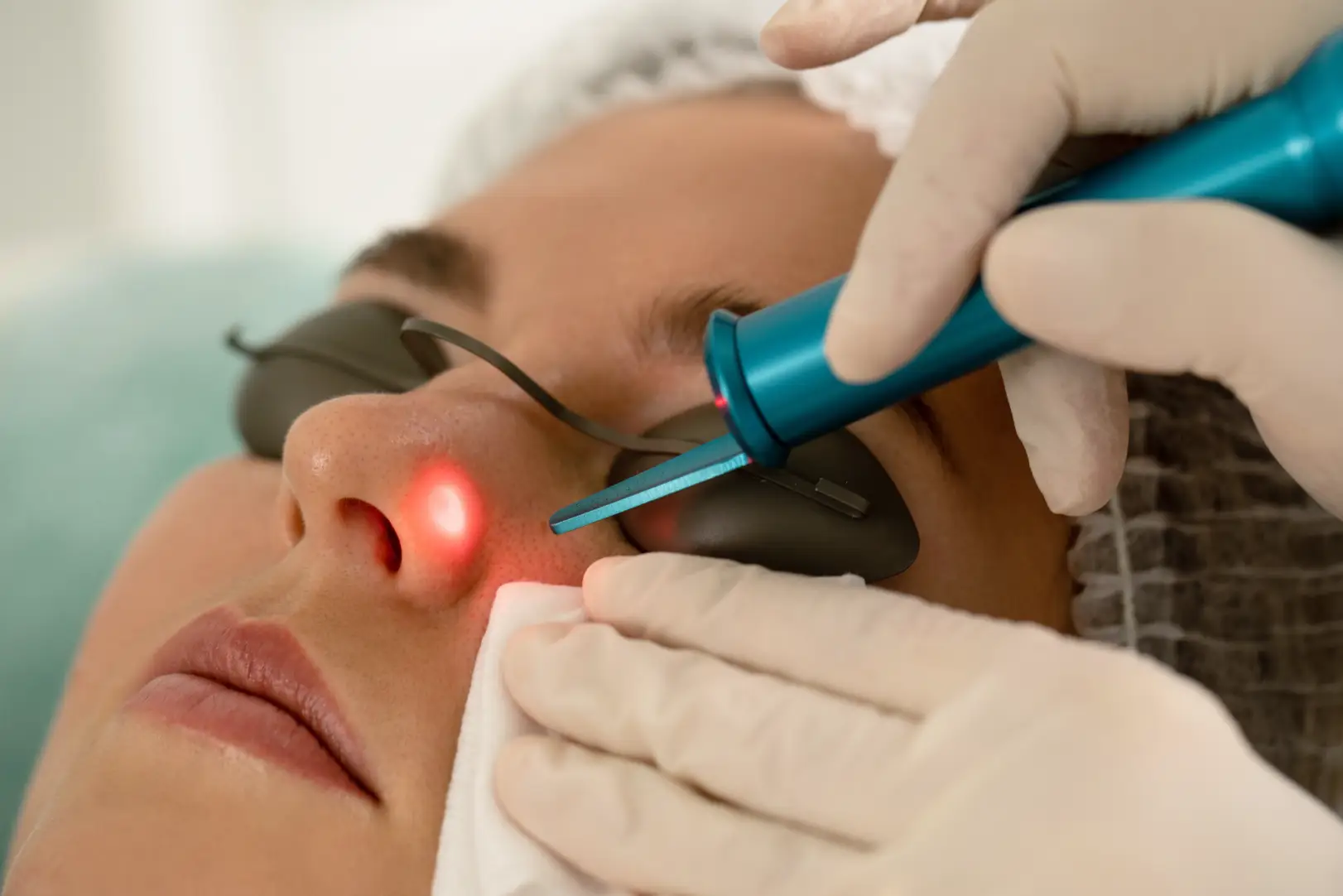
Removing a mole from the face deserves particular attention because even a tiny change can be visible. The skin around the nose, lips, eyelids, cheeks, and jawline does not have identical anatomy or tension.
Location can therefore influence how the procedure is planned. The provider also considers the mole itself. A raised, flesh-colored growth may call for a different technique than a flat lesion or one with features that require more complete tissue removal.
This individualized planning is especially relevant for patients considering mole removal in Albuquerque. Rather than asking which procedure is universally best, it is more useful to ask which technique makes sense for your particular mole and where it is located.
The reason for removal matters too. A straightforward cosmetic concern and a lesion requiring diagnostic evaluation are not necessarily approached in the same way. That is why a photograph alone cannot provide the complete answer. The treatment decision becomes clearer once the growth and surrounding tissue have been examined directly.
4. The Area Is Numbed Before Removal
The thought of having a facial mole removed can sound more intimidating than the procedure itself. Local numbing is used so the area can be treated with greater comfort. Patients may feel a brief burning or stinging sensation when the numbing medication is injected. Once the area is numb, the removal itself should be much more comfortable.
Before treatment, the mole and surrounding skin are also cleansed and prepared. The specific steps that follow depend on the technique selected during the evaluation. It is still important to communicate during the procedure. If you experience unexpected discomfort, tell the provider rather than assuming you need to tolerate it silently.
Knowing about the numbing process ahead of time can make the appointment feel much less mysterious. For many patients, anticipation creates more anxiety than the actual procedure.
5. Surgical Excision May Be Recommended
Some moles are best addressed through surgical excision. Sandia Cosmetic Facial Surgery uses a scalpel to remove certain moles, including growths that are bumpy, dark, or potentially concerning.
After the mole is removed, the skin may be sutured closed. The source material also describes a feathering technique used when suturing the wound and again several months later with the goal of minimizing the appearance of scarring.
Surgical removal may be appropriate when more complete removal of the lesion is needed. It also provides tissue that can be evaluated when there is concern about what the growth represents.
The trade-off is that an incision and sutures create a healing wound. Patients need to follow instructions carefully and understand that a scar is an expected possibility whenever the skin is surgically cut. The goal is generally to create the most favorable healing conditions possible rather than promising that the procedure will leave no visible mark.
6. Shave Excision Works Differently
Not every raised mole requires the same type of surgical removal. Sandia Cosmetic Facial Surgery may use shave excision for certain raised, light, or flesh-colored moles. With this technique, a razor or scalpel is used to shave the mole from the skin. The treated area is then covered with a bandage, and stitches are generally not required for this type of removal.
That difference can make shave excision appealing for appropriately selected growths. However, suitability depends on the characteristics of the mole and why it is being removed. A patient should not choose shave excision simply because avoiding stitches sounds preferable. The provider needs to determine whether the technique is appropriate for the specific lesion.
Different removal methods exist because moles themselves are different. Matching the technique to the growth is more important than choosing the procedure that sounds easiest on paper.
7. Punch Excision Is Another Option
Flat moles may sometimes be approached using punch excision. This technique uses a cylindrical instrument that removes a round plug of tissue containing the mole. Whether stitches are required depends partly on the size of the resulting wound. The practice notes that larger punch removals may be sutured closed, while smaller areas may simply be covered with a bandage.
Punch excision provides another example of why facial mole removal cannot be described as one single procedure. Two patients can both say they are “having a mole removed” while undergoing noticeably different techniques.
The appropriate approach depends on the lesion’s shape, size, depth, location, and reason for removal. Your provider can explain why a particular method has been recommended and what kind of wound it will create. Understanding that detail before treatment also makes the recovery period easier to anticipate.
8. Suspicious or Cancerous Moles Need a Different Approach
A mole that raises concern for cancer belongs in a different category from an unwanted cosmetic growth. Sandia Cosmetic Facial Surgery specifically advises patients to mention changes in size, shape, or color so potential skin cancer can be considered.
The practice also performs Mohs surgery for cancerous lesions. This approach involves removing affected tissue and evaluating it so additional skin can be removed until clear margins are achieved.
That is fundamentally different from removing a benign mole because you dislike its appearance. This distinction is one of the most important parts of candidacy. Cosmetic goals should never overshadow concerning changes in a lesion.
If a spot is evolving, bleeding unexpectedly, or otherwise concerning, seek an appropriate medical evaluation. The priority becomes establishing what the lesion is and treating it correctly rather than selecting the most cosmetically convenient removal method.
Once the medical picture is clear, appearance and scar planning can still be part of the conversation.
9. Scarring Should Be Discussed Before Treatment
If someone promises that removing a mole will leave absolutely no mark, that promise deserves skepticism. Any procedure that intentionally disrupts the skin has some potential to leave a visible change.
Mole removal scarring depends on several variables, including the technique, size and depth of the lesion, location, individual healing tendencies, wound tension, and aftercare. The face can heal very well in many circumstances, but every patient heals differently. A scar may initially look pink, red, or more noticeable before gradually maturing.
The procedure itself also influences the final appearance. A shave excision creates a different wound from a surgical incision closed with sutures. Punch excision has its own healing pattern. This is why the conversation should not be framed as “mole or no scar.” A better discussion is about what kind of mark might reasonably result and what can be done to support favorable healing.
For a facial procedure, that conversation deserves to happen before treatment rather than after the mole is already gone.
Put the Right Plan First
An unwanted facial mole may be small, but deciding what to do with it deserves thoughtful attention. Mole removal can address cosmetic concerns and bothersome raised growths through techniques selected according to the individual lesion, while proper evaluation also helps identify spots that need medical attention.
At Sandia Cosmetic Facial Surgery in Albuquerque, NM, patients considering removal can begin with an evaluation of the mole and a discussion of the most appropriate technique, healing expectations, and potential scarring. When the goal is a more confident appearance, choosing the right plan for your skin matters more than rushing toward the quickest removal.
Call us today to schedule your consultation!